

The Breakdown
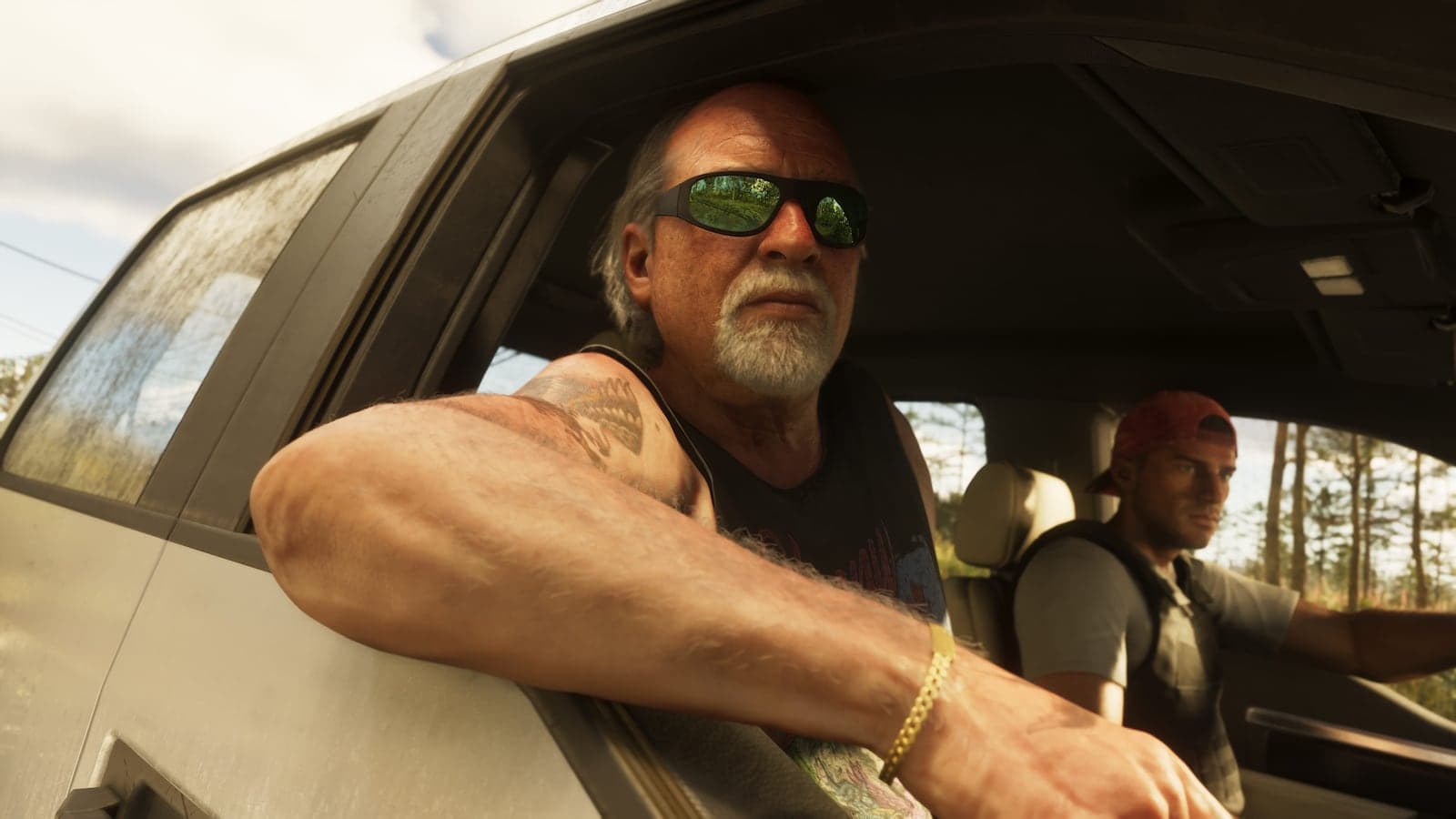
Miami New Times reports the Miami Beach City Commission voted through a multi-million-dollar agreement authorizing GTA VI marketing activity across the city, following months of closed-door negotiation between municipal officials and Take-Two representatives. The specifics mirror what we've tracked since the Miami-Dade County marketing play first surfaced: municipal buy-in in exchange for direct revenue, tourism spillover, and control over how aggressively Rockstar can brand public space.
This isn't a handshake deal. City commission approval means contract terms, liability clauses, and compensation structures are now locked into public record. That's a meaningful shift from the ambiguous "stealth" tactics we've documented previously, where GTA 6 signage appeared at a major downtown Miami venue without formal disclosure, or where ads were approved but required to stay discreet. Miami Beach is now an official, contracted marketing partner, not just a filming backdrop.
The commission's approval follows the earlier fight over GTA 6 shoot access in Miami, where council members initially clashed over image concerns before ultimately caving to the economic upside. That pattern is repeating at the Beach level: initial resistance, public debate, then a financial deal too large to reject. Take-Two's willingness to pay multi-million-dollar sums for municipal cooperation tells you everything about how much marketing capital is riding on this launch window.
Notably, this comes as Florida Governor Ron DeSantis has publicly pushed back on the idea that Miami should be conflated with the fictional, crime-riddled Vice City. The optics tension is real: local government is now financially incentivized to promote a game explicitly built around satirizing and exaggerating South Florida's excess and criminal underbelly. That contradiction hasn't stopped anyone from signing on the dotted line.
Tactical Analysis
This deal is the clearest signal yet that Take-Two views physical, real-world Miami as a core pillar of the GTA VI marketing machine, not just a nostalgic reference point. Here's why that matters if you're tracking this launch for maximum tactical advantage.
First, expect saturation-level branding in Q1 through Q3 2026. A multi-million-dollar agreement doesn't get spent on a single billboard. Look for wraps on public transit, branded activations at major tourist corridors, and coordinated tie-ins timed to Art Basel, Ultra Music Festival, and Spring Break, all high-visibility Miami Beach windows Rockstar has historically loved to exploit for atmosphere research. We already flagged this trajectory in our breakdown of stealth ads with no logo and no name. Now that the city is a paid partner, subtlety is likely gone. Expect overt, unmistakable branding.
Second, this deal validates the theory that Vice City's map DNA is drawing directly from Miami Beach infrastructure, not just Miami Vice-era aesthetics. When a city commission negotiates compensation tied to a video game, it's typically because location scouting, drone footage, and mapping data collection have already happened extensively on public property. That aligns with what we noted in our coverage of Rockstar's extreme secrecy around drone spying. If Miami Beach felt entitled to a cut, it's because Rockstar's teams have been working the ground game there for years, not months.
Third, this is a leading economic indicator for launch timing. Marketing agreements of this scale don't get finalized twelve months out from nothing. Municipalities negotiate media buys and promotional windows in sync with a publisher's actual go-to-market calendar. If Miami Beach commissioners are locking in terms now, that's consistent with the broader pattern we've tracked around GTA 6 anchoring the Fall 2026 release lineup. Expect visible Miami Beach activation to ramp hard in the final two quarters before launch, likely syncing with major gameplay reveals Rockstar has so far withheld, a gap we detailed in why GTA 6 skipped a traditional gameplay trailer.
Fourth, watch for local backlash to intensify, not fade. Every time Rockstar's footprint in real Miami grows, friction follows. We've already seen this with the nudist resort review-bombing controversy and the broader culture war narrative struggling to find real traction. A publicly disclosed, taxpayer-adjacent marketing contract gives critics concrete numbers to attack. Expect local news cycles to scrutinize exactly how commission votes broke down and who benefits financially, especially with DeSantis already on record drawing a hard line between fictional Vice City and real Florida branding.
For players and fans, the tactical takeaway is simple: Miami Beach is no longer just inspiration, it's an active co-marketer. That means physical presence, pop-up activations, and potentially in-game Easter eggs tied to real Miami Beach locations become more likely, not less. If you're planning a pre-launch Miami trip to scout locations against map leaks, this is the confirmation that the ground game there is about to get a lot more visible.