

The Breakdown
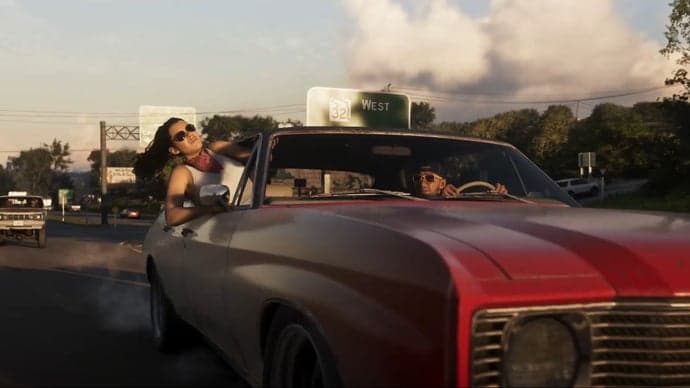
Reports out of ixbt.games detail a fresh wave of physical advertising tied to GTA 6 that deliberately withholds the franchise name, logo, and any explicit Rockstar branding. Instead, the ads lean entirely on aesthetic shorthand: sun-bleached pastel gradients, palm tree silhouettes, retro-futuristic typography, and Vice City's signature pink-and-teal color language. No box art. No "coming 2026" stamp. Just vibes engineered to trigger instant brand recognition among an audience that has spent two years dissecting every trailer frame.
This isn't the first time Rockstar has flirted with real-world placement around Leonida's fictional geography. We've already tracked the Miami Beach GTA 6 marketing deal that stirred local debate, the GTA 6 signage spotted at a major downtown Miami venue, and the discreet ad approvals that forced Rockstar to keep messaging subtle to satisfy Miami city council conditions. Combine that with the confirmed GTA 6 Miami shoot approved after a council fight, and a clear pattern emerges: Rockstar is threading a needle between maximum hype and minimum legal friction in a city that's openly nervous about being associated with a game centered on crime.
The unbranded approach also plays directly into Rockstar's historical playbook. Anyone who remembers the 2013 GTA V rollout recalls billboards, radio spots, and viral "found footage" style teasers that spent weeks building unease and curiosity before a single frame of gameplay dropped. Rockstar has always treated marketing as an extension of world-building rather than a straightforward product pitch, and this logo-less campaign fits that mold perfectly. It's not an oversight. It's a deliberate flex: the brand is now strong enough that Rockstar doesn't need to say the name at all.
Tactical Analysis
This is smart, and here's why it matters beyond just "cool marketing." Rockstar is running a controlled information war, and every asset released, whether it's a billboard or a drone flyover of a filming location, gets treated with the same operational security as an actual in-game leak. We've already covered how seriously Rockstar takes this with the drone spying controversy around Leonida location scouting. Stripping the name off physical ads isn't just brand mystique, it's risk management. No name, no direct legal target for opposition, no easy screenshot for outrage bait, and critically, no confirmation for third parties (looking at you, Ron DeSantis) to weaponize against the production.
For players tracking the meta-game around release, this tells you two things. First, Rockstar's marketing budget and rollout cadence are scaling up, not slowing down. Unbranded teaser campaigns are typically Phase 1 of a multi-phase reveal arc, meaning we should expect branded follow-ups, possibly tied to a new gameplay trailer, within the next several marketing cycles. If you're tracking the GTA 6 release date, price, and platform breakdown, treat visual-only ad campaigns as a leading indicator that Rockstar is warming the pump for a bigger announcement window, not a random regional buy.
Second, and more tactically relevant if you're planning your actual playthrough strategy: this ad style is reinforcing the aesthetic DNA of Leonida before we've even set foot in it. The palm silhouettes, neon gradients, and retro type aren't just nostalgia bait, they're establishing the tonal contract for the map itself. If you're building expectations around traversal, vehicle handling, or heist staging, this visual language lines up with what we already know about GTA 6's driving model blending GTA IV weight with V's speed. Vice City isn't just a setting, it's being marketed as a character, and that consistency between ad copy and confirmed gameplay footage tells you Rockstar's tonal vision is locked and unlikely to shift before launch.
There's also a stock and hype angle worth flagging. Take-Two's investor messaging has repeatedly leaned on GTA 6 as a generational revenue driver, something we broke down in GTA 6 hype versus Take-Two stock reality. Unbranded guerrilla campaigns are cheap relative to traditional media buys but generate disproportionate earned media through fan speculation, exactly the kind of efficient marketing spend that keeps investor confidence high without inflating the ad budget line item ahead of a fiscal report.
If you're a day-one player prepping for launch, the actionable takeaway is simple: watch for unbranded visual campaigns in your own city or region. Rockstar has shown willingness to run these placements beyond Florida, and any sighting is worth documenting, because these campaigns have historically preceded major content drops within 60 to 90 days. Cross-reference against the ongoing GTA 6 prediction market shifts if you want a numbers-driven read on how seriously the community is treating this as a pre-launch signal.