

The Breakdown
CBS News reports that municipal leaders across Miami, Miami Beach, and Miami-Dade County are in active discussions about how to capitalize on GTA VI's massive cultural footprint. This isn't a hypothetical. Rockstar's marketing has already blurred the line between fiction and reality in South Florida, and local government isn't waiting on the sidelines.
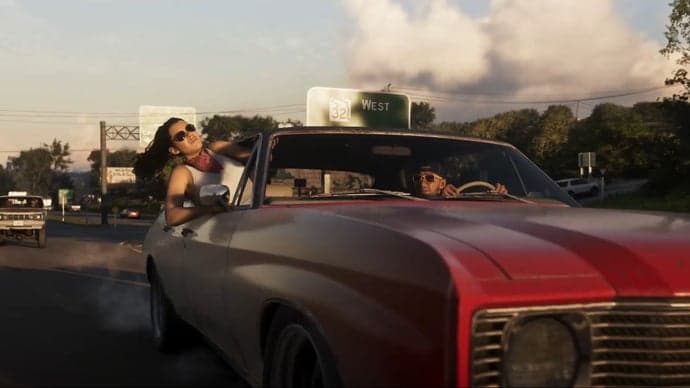
The core idea being floated: position the actual Miami metro area as the physical, walkable version of Vice City. Tourism boards see an opportunity that money can't normally buy: a AAA game watched by hundreds of millions of people, set in a thinly-veiled recreation of their skyline, beaches, and neighborhoods. Rather than fight the association, several officials want to lean into it hard.
This follows a pattern we've already tracked extensively at Vice City Methods. Real Miami Beach venues have hosted approved shoot locations for promotional content. Signage tied to the game has been spotted at major downtown venues. Rockstar even secured discreet advertising approval in Miami proper, with strict conditions about how overt the branding could be. And a formal marketing deal with Miami Beach has already sparked real public debate about optics and appropriateness.
The county-level conversation is the next escalation. Instead of just permitting Rockstar to film or advertise, local tourism authorities want to actively co-brand: think "Visit the Real Vice City" campaigns, curated tour routes hitting locations that clearly inspired in-game districts, and hospitality partnerships timed to launch week. Miami-Dade's tourism economy runs on cultural relevance, and there's no bigger cultural moment coming in 2026 than GTA VI's release.
Not everyone is thrilled. Florida Governor Ron DeSantis has already pushed back publicly, warning that Miami isn't actually Vice City and cautioning against the state being defined by a game centered on crime, satire, and vice culture. That tension between economic opportunity and political optics is exactly what's driving the current internal debate among officials.
Tactical Analysis
Here's the angle most outlets are missing: this isn't just a tourism story, it's a signal about launch timing and marketing intensity.
When municipal governments start internally discussing how to capitalize on a game's release, that tells you Rockstar's marketing machine has already made contact at the local level, likely months before any public confirmation. Local tourism boards don't move on rumors. They move when there's a real production footprint, real permit requests, and real advertising dollars already flowing through the city. The fact that Miami, Miami Beach, and Miami-Dade County are all independently exploring this tells you the promotional rollout is bigger and more geographically coordinated than most players realize.
For players tracking release windows, this matters. Tourism campaigns tied to entertainment properties typically launch 60 to 90 days before a major release, synced with peak booking season. If Miami-Dade is planning a "Real Vice City" push, that gives you a rough marketing runway to watch for as we move deeper into 2026. Combine that with everything we've documented about prediction markets shifting hard toward a 2026 window and the picture sharpens considerably.
There's also a meta-narrative here about authenticity that matters for how you'll experience Leonida in-game. Rockstar has spent over a decade building a reputation for hyper-accurate environmental design, and the real Miami leaning into the association only reinforces that the map is going to be startlingly close to reality. Expect the driving physics and neighborhood density to reflect genuine South Florida urban planning quirks, not generic sunbelt filler. When local tourism boards are comfortable being associated with a game world, it's because that world captures something recognizable and, frankly, flattering about the real place, vice and satire aside.
Watch for friction, though. DeSantis' pushback isn't going away, and there's a real culture war subplot brewing here that mirrors what we've tracked with the broader right-wing struggle to land a coherent attack on the game. Local business tie-ins could get politically messy if state-level officials keep distancing themselves while county-level tourism boards push in the opposite direction. That's a genuine wildcard for how loud and visible the official marketing gets versus how much stays under the radar, similar to the discreet advertising restrictions already imposed on Rockstar's Miami shoots.
Bottom line: if you're mapping the road to launch, city and county-level marketing moves are now a legitimate signal alongside prediction markets, controller pre-orders, and location scouting reports. This is one more data point confirming Rockstar's rollout machine is already running at full speed behind the scenes, even while the official release date stays locked down.