

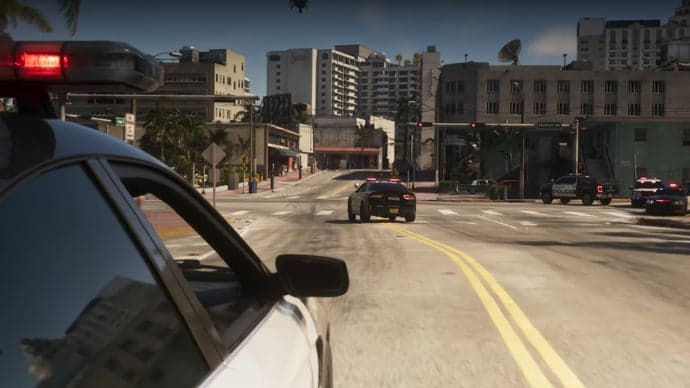
The Breakdown
Here's what actually happened, stripped of the internet noise. A Florida based nudist resort, sitting somewhere in the general geography Rockstar has been mining for Leonida's tone and texture, got swept up in the GTA 6 meme cycle. Fans, streamers, and bored trolls started flooding the resort's Google and Yelp listings with review-bomb content referencing the game, some of it clearly joking, some of it clearly malicious.
The situation escalated when the resort's owner went public claiming that whoever was orchestrating the wave attempted to leverage it into a payout, essentially a "pay us or the fake reviews keep coming" shakedown dressed up in GTA 6 branding. The owner's response was blunt and now widely quoted: "We will not pay, we will not negotiate."
This isn't the first time GTA hype has bled into real-world businesses near the fictional footprint of Leonida. Rockstar's marketing strategy, built on hyper-localized satire of Florida culture, has already triggered friction with actual Florida institutions. Miami-Dade officials rejected an airport rebrand tied to the Vice City name, Governor Ron DeSantis publicly warned fans that Miami isn't really Vice City, and local governments have had to formally weigh in on things like ad placements near Miami shoots and production filming rights. The nudist resort situation is just the latest flashpoint in a pattern: GTA 6's cultural gravity is strong enough to distort behavior around real businesses that have nothing to do with Rockstar at all.
Whether the resort has any tangible in-game connection is beside the point. The internet decided it was funny, someone tried to monetize the chaos through review manipulation, and the target refused to play along.
Tactical Analysis
Let's talk about what this actually signals for the GTA 6 community, because this is bigger than one Florida resort getting trolled.
The meme economy around Leonida is already weaponizable. GTA 6 hasn't launched yet, and we're already seeing real-world review bombing campaigns extract or attempt to extract value from association with the game's hype cycle. That's a preview of what's coming once the actual map, actual businesses, and actual Easter eggs go live inside Leonida. Expect copycat behavior against real Florida businesses that happen to share names, aesthetics, or locations with in-game counterparts. If your favorite streamer starts pointing a camera at a real business and joking about it "being in GTA 6," understand that joke has real consequences for that business's Google rating, and increasingly, real financial extortion attempts riding on the back of it.
Rockstar's satire strategy is a double-edged sword. The studio built its entire brand on lampooning Florida, and that satire works because it's rooted in recognizable real-world texture: strip malls, retirement communities, nudist resorts, airboat tours, all of it. But when the fictional world gets too close to the real one, you get exactly this kind of blowback. Players should expect more of these stories as launch approaches. This is the same energy that fueled the Miami ad discreet-placement rulings and the ongoing tension around how much of "Vice City" Florida officials are willing to tolerate being mapped onto their actual state.
Review bombing as extortion is a genuine emerging threat, and it's not limited to gaming culture. What makes this story notable for tactical minded fans is the confirmation that someone attempted to use the GTA 6 hype wave as leverage, essentially threatening reputational damage unless paid off. That's a crime in most jurisdictions, full stop, regardless of how "for the meme" the framing is. If you're a content creator riding the GTA 6 wave and joking about real locations, know where the line is between satire and coordinated harassment. Platforms like Google and Yelp are already tightening detection for coordinated review spam, and any campaign tied to GTA 6 branding is going to get flagged faster given how much scrutiny the franchise draws pre-launch.
For players building anticipation for launch, this is a signal to manage community behavior now. The GTA community has a well-documented history of turning hype into chaos, from leak drops that changed nothing tactically to speculation wars over release windows and region unlock times. A real business getting extorted over game-adjacent memes is a preview of how intense this is going to get once Leonida is actually playable and fans start hunting for real-world parallels to in-game locations. Rockstar has stayed silent on this specific incident, as expected, since the studio historically does not comment on unofficial fan activity, but expect community guidelines and platform moderation to tighten as GTA 6's launch window closes in.
The bigger lesson: hype without guardrails becomes harassment fast. Enjoy the meme cycle, but don't be the reason a real business has to publicly say "we will not pay, we will not negotiate."