

The Breakdown
Anyone who has owned a DualShock, DualSense, or Xbox controller since GTA 4 knows the pain. Sprinting meant hammering X or A until your thumb cramped or your controller's face buttons started clicking loose. Struggle sequences (getting grabbed, breaking free of restraints, certain melee clinches) doubled down on the same mash-until-it-breaks philosophy. It was a design holdover from the PS2/Xbox era that never should have survived into an open world as dense and long-session as Leonida is shaping up to be.
According to reporting circulating from HotHardware, GTA 6 is finally retiring that mechanic. Rather than hammering a single face button until your controller's microswitches give out, Rockstar is reportedly shifting toward hold-based inputs and analog stick engagement for the actions that used to demand mashing. This lines up with what we've already seen in the gameplay reveal footage: Lucia and Jason's movement animations look weight-driven and momentum-based rather than input-frequency-based, which only works if sprint speed isn't gated behind how fast your thumb can move.
This isn't just a comfort patch. It's consistent with Rockstar's broader design language shift that started with Red Dead Redemption 2's health/stamina core system and carried into GTA 5's simplified sprint toggle on PC. RAGE 9's more sophisticated animation blending also makes rapid-mash inputs technically redundant. If a character's stride length and stamina drain are already simulated by the engine, tying that to raw button-press frequency is an outdated bottleneck, not a skill check.
For context on how far the engine has come overall, check our breakdown on GTA 6 vs GTA 5: The Leap That's Breaking The Internet. The animation fidelity shown in the GTA 6 Extended Look already hinted that traversal wasn't going to rely on old-school button spam, and this control fix confirms it.
Tactical Analysis
Here's why this matters beyond just saving your thumbs. Mash mechanics have always created an uneven playing field. Players on Xbox Elite or DualSense Edge controllers with faster microswitches got a mechanical advantage in chase sequences and escape events over players on stock pads. Removing the mash requirement flattens that gap entirely, which is good news for competitive integrity in GTA Online's eventual PVP modes.
There's also a hardware economics angle nobody talks about enough. Sony and Microsoft have both dealt with stick drift and button fatigue class-action noise over the last few years. A game with GTA 6's install base, likely the most-played title of this console generation, mashing millions of controllers into early graves during chase sequences and shootouts would have been a real warranty liability. Rockstar quietly sidestepping that is smart business as much as smart design.
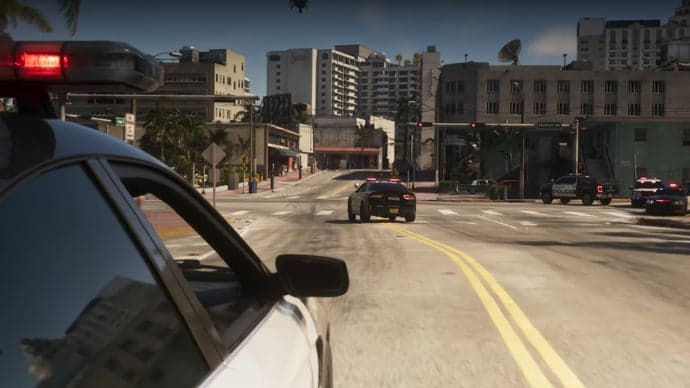
From a tactical gameplay standpoint, expect sprinting and evasion to become more about positioning and stamina management than raw input speed. That shifts skill expression toward map knowledge and route planning through Vice City and the wider Leonida map, which tracks with everything we've seen about the RAGE 9 engine's improved crowd density and NPC realism. If cops and NPCs are reacting more intelligently to your movement, a twitch-mash escape mechanic would feel completely out of place next to that level of simulation.
This also matters for accessibility, a topic Rockstar has been notably quiet on compared to competitors. Mash mechanics have long been one of the biggest barriers for players with motor impairments or repetitive strain conditions. Swapping to hold-and-release or analog rotation inputs (similar to how lockpicking works in several modern open-world titles) opens GTA 6 up to a wider player base without diluting tension. If Rockstar pairs this with adjustable difficulty toggles, similar to how they've approached morality and consequence systems, this could be the most accessible mainline GTA yet.
Expect this to bleed into other systems too. If chase escapes and sprinting drop the mash requirement, don't be shocked if minigames like hotwiring cars, lockpicking safes, or repairing boats follow the same philosophy, likely timed-hold or rhythm-based inputs instead of rapid tapping. That would align with the deeper customization and vehicle systems already teased, where mechanical interaction feels tactile rather than punishing.
Bottom line: this is a quality-of-life win with real strategic implications. Players who spent years building muscle memory around mash timing will need to relearn escape and sprint rhythms at launch. Get ahead of it by treating every chase sequence in the reveal footage as a preview of the new input logic, not the old one.