

The Breakdown
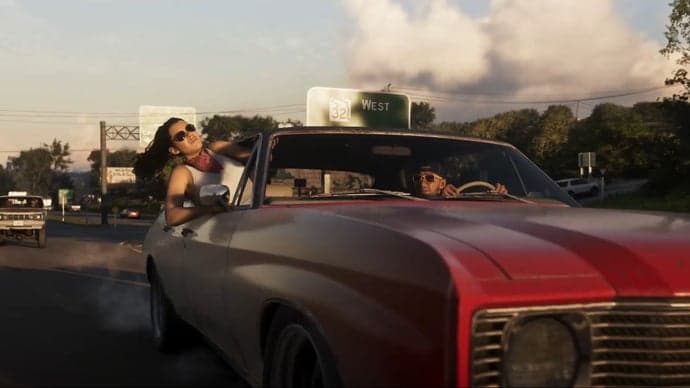
The comparison threads exploded after community editors started stacking GTA 5 footage from 2013 against the GTA 6 Netflix Extended Look frame by frame. What started as nostalgia bait turned into a legitimate tactical wake-up call for longtime players who assumed GTA 6 would be an evolution, not a revolution.
The numbers tell the story. GTA 5 launched on hardware that struggled to render more than a few dozen active NPCs before pop-in became a problem. Leonida's early gameplay footage shows dense crowds reacting individually to gunfire, traffic incidents, and weather shifts, all while maintaining vehicle physics that GTA 5's engine never attempted. Rockstar confirmed this isn't a visual mod or a "next-gen coat of paint." It's the RAGE 9 engine doing real-time soft-body deformation, individual panel damage, and telemetry-driven crash physics that GTA 5's rigid-body system couldn't touch.
Kotaku's framing centered on fan reaction videos where longtime GTA 5 players, some with 1,000+ hours logged in Los Santos, watched the Extended Look and openly admitted they didn't expect the gap to be this wide. It's not just resolution or texture fidelity. NPCs in Leonida display contextual awareness: shopkeepers react to prior encounters, pedestrians flee dynamically based on threat proximity instead of scripted panic loops, and the physical appearance and relationship systems tie directly into how the world treats Jason and Lucia moment to moment.
The comparison also reignited discussion around the map and biome diversity confirmed in the reveal. GTA 5's Blaine County desert and Los Santos urban sprawl were impressive for their era, but Leonida's Grassrivers wetlands, the Everglades-style biome transitions, and the vertical density of Vice City itself represent a scale of environmental variety GTA 5 never attempted. Fans specifically called out water rendering, swamp fog layering, and how light interacts with foliage as the moments that made them "feel old" watching 2013 footage back to back with 2025 gameplay.
Tactical Analysis
Here's what actually matters if you're planning to dominate Leonida on day one instead of just admiring the tech demo. This engine leap isn't just Rockstar flexing. Every system upgrade fans are marveling at translates directly into tactical decisions you'll be making constantly.
Start with the AI density increase. More NPCs per square block means more witnesses, more potential informants, and more collateral chaos during a heist. The robbery and heist mechanics we've already broken down rely heavily on crowd behavior. If NPCs react individually instead of in scripted clusters, your escape routes need to account for civilians who might actively work against you, calling police faster or blocking chokepoints out of panic rather than following a predictable flee pattern. GTA 5's crowd AI was predictable enough to exploit. Leonida's won't be, and that changes how you plan getaway routes before you even pull the trigger.
The vehicle physics overhaul is the second tactical pillar. GTA 5 veterans built entire playstyles around forgiving arcade handling: ramming through roadblocks, clipping corners at full speed, tanking collisions that would total a real vehicle. RAGE 9's soft-body deformation system means that behavior gets punished. A high-speed collision now degrades your engine performance, cracks your windshield visibility, and can disable steering entirely depending on impact angle. If you're planning heist getaways in Vice City's dense downtown corridors, you need to recalibrate for a game that actually simulates crash consequences instead of letting you bulldoze traffic with zero penalty.
Weather and environmental variety also carry PVE implications once GTA Online's successor systems arrive. A storm rolling through the Keys isn't just atmospheric. Rain reduces tire grip, fog cuts visibility for both you and pursuing police AI, and the wetlands biome likely affects foot chase dynamics with mud slowing sprint speed. Compare that to GTA 5's static weather that rarely impacted core gameplay outside of the occasional lightning storm, and you're looking at a game where checking the forecast before planning a job actually matters.
There's also a wanted system implication buried in this comparison discourse. If NPC density and reactivity are this much higher, the 6-star wanted level response likely scales more aggressively with civilian interference factored into how fast law enforcement escalates. More witnesses calling in faster means your window to lose heat before military response kicks in could be tighter than GTA 5 players are used to.
The bottom line for anyone still running GTA 5 muscle memory into launch week: throw out your old assumptions about crowd predictability, vehicle invincibility, and static weather. Leonida is built to punish players who treat it like an upgraded Los Santos. Study the Extended Look breakdown now so you're not relearning basic survival instincts during your first in-game week.