

The Breakdown
Collider's rundown of "GTA clones" isn't a hit piece, it's a scorecard. These games didn't just copy the Rockstar formula, they identified a weak spot in the GTA blueprint and drilled into it until it became their signature system. Here's the actual breakdown of where each title left Rockstar exposed:
Sleeping Dogs: United Front Games built a free-flow melee combat system that made GTA's fistfights look like placeholder animations. Environmental takedowns, counter-chains, and weapon improvisation in real time made hand-to-hand a legitimate combat pillar instead of a last resort before you find a gun.
Saints Row 2: Volition weaponized absurdity. Deep character customization, gang customization, and chaos-first mission design gave players agency GTA has historically rationed carefully. It leaned into "video game logic" instead of Rockstar's grounded satire.
Watch Dogs 2: Ubisoft's hacking-as-traversal system turned San Francisco into a puzzle box. Remote camera jumps, environmental hacks, and drone-based scouting gave players a non-lethal, tech-driven playstyle GTA has never fully committed to.
Yakuza (Like a Dragon): RGG Studio's side content density dwarfs anything in GTA V or even RDR2. Minigames, sub-stories, and turn-based RPG combat in later entries prove that narrative padding can be premium content instead of filler.
Mafia (Definitive Edition): Hangar 13 nailed period atmosphere and driving weight in a way that made GTA IV's Liberty City feel loose by comparison. Slower, heavier vehicle physics forced players to respect the road instead of treating cars as disposable toys.
Just Cause: Avalanche's grappling hook and parachute traversal turned the open world into a physics playground. Rockstar has never given players that level of freeform verticality outside of specific vehicles.
Cyberpunk 2077: CD Projekt Red's branching dialogue and RPG-lite build systems gave players narrative consequence GTA protagonists rarely get. Choices in Night City occasionally reroute entire mission chains, something the GTA series has mostly avoided since San Andreas.
Tactical Analysis
Here's the uncomfortable truth for Rockstar loyalists: every one of these systems represents a gap that competitors found and exploited while Rockstar was busy building the biggest sandbox on the market. Scale won GTA V a decade of relevance. It won't be enough for GTA 6, because the genre has matured around Rockstar's blind spots.
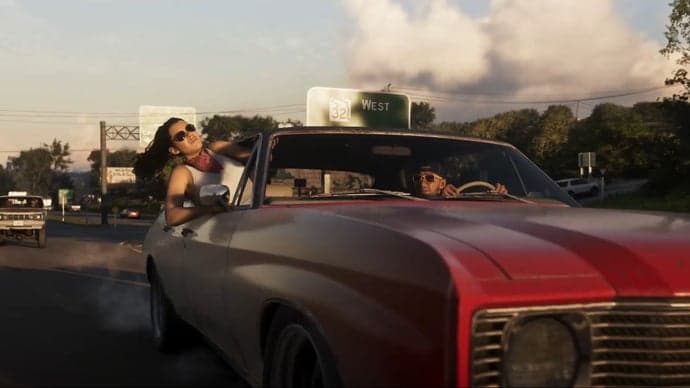
Start with melee combat. RAGE 9 engine footage already suggests improved animation blending and physics-driven ragdoll interactions, which is a good sign, but Sleeping Dogs proved that melee needs its own combo economy, not just better hit reactions. If Jason and Lucia can't brawl with the same tactical depth they shoot, GTA 6 leaves damage on the table in every bar fight, prison yard, and back-alley shakedown across Leonida.
Character and gang customization is another pressure point. Saints Row 2's chaos-first design worked because players felt ownership over their crew's identity. GTA 6's dual-protagonist structure with Lucia in GTA 6 already sets up richer character-driven stakes than Saints Row ever attempted, but Rockstar needs to make sure outfit systems, vehicle customization, and safehouse personalization don't feel like an afterthought bolted onto a serious crime drama. Tonal balance is achievable. GTA 6 doesn't have to be silly to be flexible.
Watch Dogs 2's hacking mechanic matters more than most players realize. Leonida's economy setup, phone-based systems, and stock market implications teased in early gameplay breakdowns suggest Rockstar is already building toward tech-integrated gameplay. If GTA 6 lets players remote-hack security systems, ATMs, or vehicle locks the way GTA 6 Steals Best Mechanics From Rockstar's Legacy hints at, that's a direct answer to the Watch Dogs problem. Miss that opportunity and players will keep pointing at Ubisoft's tech sandbox as the smarter design.
Yakuza's side content density is the real threat long-term. Modern players expect hundreds of hours of side systems, not dozens. Rockstar has confirmed Leonida is its largest map yet, and the GTA 6 Gameplay: 7 Details Everyone Overlooked breakdown already flags side hustle systems and dynamic NPC schedules. That's the right direction, but volume alone won't cut it. Side content needs Yakuza-level craft, not just Ubisoft-style map icon spam.
Mafia's driving weight and Just Cause's traversal freedom both point to the same conclusion: physics need to feel intentional. Early previews already suggest GTA 6 Driving Blends GTA IV Weight With V's Speed, which is exactly the correction the genre has been asking for since 2013. Pair that with confirmed GTA 6 Drivable Trains and you've got a traversal ecosystem that finally rivals the freedom clones have offered for over a decade.
Cyberpunk's branching dialogue is the hardest lift. Rockstar's strength has always been scripted cinematic storytelling, not player-driven consequence. GTA 6 doesn't need a full RPG dialogue wheel, but even limited choice-and-consequence moments between Lucia and Jason would close the gap that CD Projekt Red exposed.
The bottom line for anyone grinding Leonida on day one: expect Rockstar to have absorbed most of these lessons already given the scope of what's been shown, but watch closely for melee depth and side content density specifically. Those are the two systems most likely to still lag behind the competition when GTA 6 finally launches.