

The Breakdown
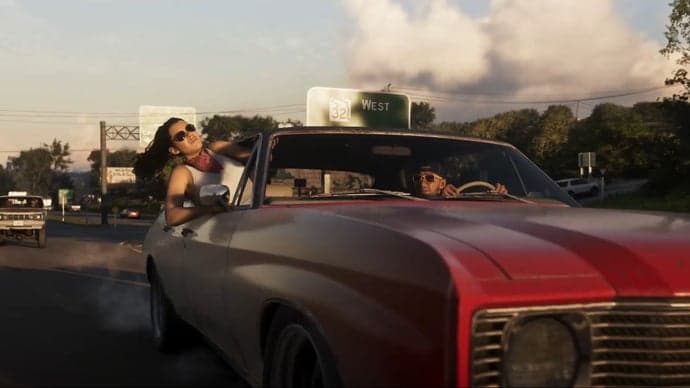
Rockstar has confirmed through gameplay footage and dev commentary that the "walk up, yank the door, and drive off in two seconds" formula from GTA 5 and prior entries is gone. In its place is a tiered theft system that reacts to what kind of vehicle you're targeting and how prepared you are before you touch the door handle.
Here's what's confirmed or heavily implied based on the 27-minute gameplay reveal and subsequent breakdowns:
Vehicle Class Determines Theft Method. Beater cars and older models still allow fast hotwiring, similar to legacy GTA titles. Modern vehicles, especially anything with keyless entry, require smashing a window, disabling an active alarm, and manually bypassing an ignition immobilizer. This isn't a QTE flourish, it's a functional gate that eats real time in-game.
Alarms Are No Longer Cosmetic Noise. In prior GTA titles, car alarms were an annoyance at worst. In GTA 6, triggering an alarm pulls nearby NPC attention and can escalate to a wanted level increase if witnesses report it fast enough, particularly in dense Vice Beach or Downtown areas where population density is dramatically higher thanks to the engine improvements covered in IO Interactive's crowd AI breakdown.
NPC Resistance Is Active, Not Passive. Drivers won't just flee the vehicle anymore. Depending on the NPC's aggression profile (a system tied into the Criminal Profile and reputation mechanics), some will fight back physically, others will call it in immediately, and a smaller subset may pull a weapon. This mirrors the granular NPC behavior systems Rockstar has been teasing since the realism-focused screenshot drops.
Locked and Garaged Vehicles Require Planning. High-end cars parked in private garages or behind gated properties can't be casually jacked. Players will need lockpicking tools, hacking devices, or side-entry routes, turning high-value car theft into a mini heist rather than a street-corner grab.
Tracking and Recovery Systems Exist for Stolen Cars. Some vehicles, especially luxury and exotic classes, come equipped with GPS tracking that law enforcement or repo services can use to locate a stolen vehicle after the fact. This means stashing a hot car isn't optional anymore, it's a requirement if you want to keep it.
This system change lines up with everything we've seen about Leonida's increased simulation depth, and it fits the broader pattern Rockstar has shown with the button-mash mechanic getting removed entirely in favor of more deliberate, skill-based interactions.
Tactical Analysis
This is the single biggest quality-of-life and difficulty shift to vehicle acquisition since GTA III introduced the concept of jacking cars in the first place. Here's what it actually means for how you'll play Leonida.
Early Game Economy Impact. New players are going to burn more time per vehicle acquisition, which directly affects any speedrun-style money strategies. If you're planning routes around the mechanics covered in our Extended Look money-making breakdown, factor in extra setup time for anything beyond a beater car. Budget vehicles remain the fast, disposable option for quick getaways. Save the exotic thefts for planned jobs, not spontaneous escapes.
Heist Prep Just Got More Important. If certain vehicles require lockpicks, hacking tools, or bypass devices, that means pre-mission shopping and load-outs matter more than ever. Expect a market (legal or black market) for theft tools similar to the weapon and armor vendors teased in past coverage. Scout your target vehicle before committing to a heist getaway car, because showing up without the right gear could blow your window of opportunity.
Wanted Level Management Changes. Since alarms and NPC witnesses can escalate police attention faster and more organically, the classic "steal car, drive two blocks, lose the cops" loop is dead. Combined with the improved crowd density and reactive AI, Vice City's streets are going to feel a lot more like a living surveillance grid. If you're not immediately swapping vehicles after a hot theft, you're inviting a chase you didn't plan for.
PVP Implications in Online Modes. If this system carries into the multiplayer space (expected, given Rockstar's history with GTA Online), expect car theft to become a much more contested, skill-differentiated activity. Players who invest in theft tools or unlock faster hotwiring skills will have a tangible edge stealing rival vehicles or NPC assets mid-session, especially in competitive lobbies.
Immersion Meets Friction. This is clearly Rockstar leaning into realism over arcade convenience, consistent with everything we've heard about NPCs looking and behaving like real people. The tradeoff is friction. Casual players used to instant car-jacking will need to adjust their muscle memory, and tactical players who master the tiered system will have a serious mobility advantage over those who don't.
Bottom line: treat every vehicle theft in GTA 6 like a small decision tree instead of a single button press. Class of car, presence of an alarm, NPC type, and whether it's parked in the open or behind security all matter now. Master that decision tree early and you'll move through Leonida faster than players still trying to smash-and-go their way through 2026's most detailed open world.