

The Breakdown
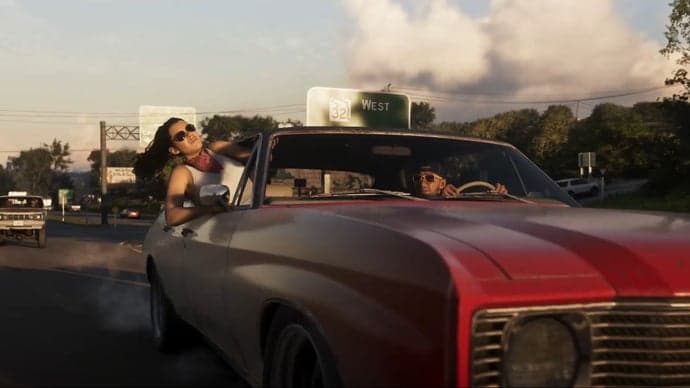
Reports confirm what longtime Rockstar watchers already suspected: the studio didn't just pull satellite imagery and call it a day for Leonida. Development teams physically traveled across Florida, documenting architecture, vegetation, road infrastructure, wildlife behavior, and regional culture firsthand. This matches Rockstar's established pattern of exhaustive field research, the same approach that took teams to the American South for Red Dead Redemption 2 and across California for GTA V.
The scope described in the reporting suggests coverage well beyond Miami proper. Florida's distinct micro-regions, the humid sprawl of the Everglades, the strip-mall corridors of suburban growth, the faded motel rows of old tourist-trap highways, and the gated luxury enclaves of the coast, all point to a map built from layered observation rather than a single aesthetic template. This tracks with what we already know from GTA 6 Open World: 6 New Systems Rockstar Just Revealed, where Rockstar detailed ecosystem and NPC behavior systems that require this kind of granular real-world data to function believably.
It also reinforces commentary from Rockstar Reveals Its Real GTA 6 Dev Process, where the studio emphasized iterative, research-heavy development over rushed asset production. Florida isn't being used as a skin. It's being used as a blueprint.
The timing of this story matters too. It drops amid a steady drumbeat of pre-release confirmations, following GTA 6's $400 Vice City Collector Set: Full Contents and the ongoing Miami Heat's 'Night in Vice City': GTA 6 Hype Event marketing tie-ins. Rockstar is building cultural proof-of-authenticity alongside its marketing rollout, and Florida research stories serve that exact function: they tell players this world was earned, not generated.
Tactical Analysis
Here's the part most outlets won't tell you: field research of this depth has direct gameplay consequences, not just visual ones. When Rockstar sends teams to walk actual Florida terrain instead of referencing stock photography, you get systemic accuracy, not just skybox accuracy. That matters for three things players should be prepping for right now.
First, regional traversal will be asymmetrical by design. If the dev teams documented actual road density, swamp accessibility, and suburban sprawl patterns across different parts of Florida, expect Leonida's map to punish or reward specific vehicle classes by zone. Airboats and off-road trucks won't be novelty options, they'll be necessary tools in Everglades-adjacent territory, while Vice City's downtown core will remain a congestion nightmare built for motorcycles and sports cars. Plan your garage loadout around zone-specific terrain, not a single "best vehicle" meta. This directly complicates general advice floating around before the map is even public, and it's worth revisiting GTA 6 Map Too Big for Story Mode, Rockstar Admits for context on just how much unused traversal space may exist outside the critical path.
Second, wildlife and environmental hazard behavior just got more credible. Real Florida includes alligators, invasive pythons, hurricane weather cycles, and unpredictable coastal flooding. If Rockstar researched these firsthand instead of designing them abstractly, expect environmental hazards in Leonida to function as genuine tactical obstacles, not cosmetic flavor. Combine this with the creature intel from GTA 6 Animals Ranked: Every Confirmed Creature Tier List and start thinking about mission routing around hazard zones the way veteran RDR2 players routed around predator territory.
Third, this reinforces the "lived-in economy" theory. Field research into Florida's actual regional economics, tourist traps, strip malls, luxury real estate corridors, informal roadside commerce, suggests Leonida's money systems (side hustles, property investment, legitimate fronts for criminal enterprise) will mirror real regional wealth disparity. That's a meaningful signal for players planning early-game cash strategy once GTA 6 Cheat Codes stop being relevant and the real economy grind begins. Expect poorer, chaotic zones to offer higher-risk, higher-reward opportunistic crime, while wealthier coastal zones gate content behind reputation or heat level, similar to how LS and Liberty City handled district-based criminal friction, just with sharper authenticity this time.
There's also an engine-level implication worth flagging. RAGE 9's NPC and traffic AI systems are reportedly far more reactive and context-aware than previous iterations. Feeding that engine real behavioral data, how Florida drivers actually merge, how pedestrians actually move through humidity and heat, how tourist crowds cluster, means NPC unpredictability in Leonida won't feel randomly generated. It'll feel regionally specific. That's a meaningful PVE advantage for players who study zone behavior patterns before planning heists or escape routes, a strategic layer that didn't exist with this level of nuance in GTA V's Los Santos.
Bottom line: this Florida research story isn't fluff. It's a tactical preview. The more granular Rockstar's field data, the more Leonida will punish generic, one-size-fits-all playstyles and reward players who treat each region as its own tactical microclimate.