

The Breakdown
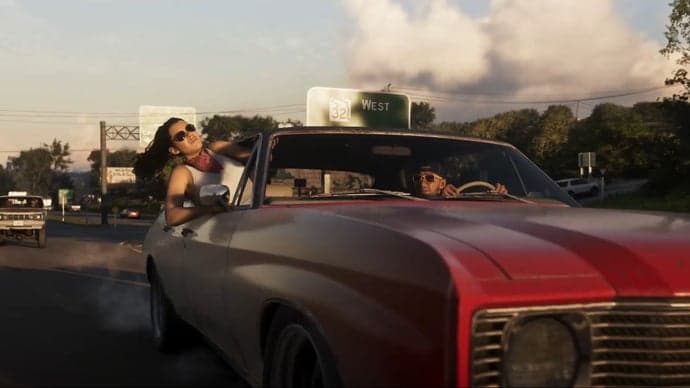
Digital Foundry, the industry's most trusted frame-by-frame technical analysis outlet, put GTA 6's revealed footage side by side against GTA 5 Enhanced, the PS5 and Series X remaster Rockstar shipped in 2025 as a technical bridge title. The comparison wasn't close, and that's the point. GTA 5 Enhanced already pushed 4K, ray tracing, and improved density on top of a decade-old engine skeleton. It was Rockstar's way of proving the current-gen consoles had headroom left before RAGE 9 arrived.
The analysis zeroes in on a few concrete technical categories:
Lighting and Global Illumination. GTA 5 Enhanced uses ray-traced reflections and shadows bolted onto an older lighting pipeline. GTA 6 runs on what appears to be a fully rebuilt global illumination system native to RAGE 9, meaning light bounces, bleeds, and reacts to time-of-day and weather in real time without the "patched-in" look Enhanced sometimes shows in interior spaces.
Material and Skin Shading. Digital Foundry highlights subsurface scattering on character models, specifically skin under direct Miami sun, as a generational leap. GTA 5 Enhanced character models still read as "last-gen assets with better lighting on top." GTA 6's Jason and Lucia models show pore-level detail and light penetration through skin that no current RAGE 8 build achieves.
Vegetation and Foliage Density. This is a major one for Leonida specifically. The Everglades biome, teased extensively in the GTA 6 Netflix Extended Look, shows individually simulated foliage reacting to wind and vehicle collision. GTA 5 Enhanced's Los Santos vegetation is comparatively static, using older billboard and LOD tricks that fall apart on close inspection.
Weather Volumetrics. Digital Foundry specifically calls out the storm systems shown in trailer footage. Rain accumulation on road surfaces, dynamic puddle formation, and volumetric cloud layers that cast real shadows on the ground are simulated in real time in GTA 6. GTA 5 Enhanced simulates weather but doesn't model the same fluid dynamics for standing water or storm cell shadowing.
The overall conclusion from Digital Foundry: GTA 5 Enhanced was never meant to be a preview of GTA 6's engine. It was Rockstar squeezing another sales cycle out of RAGE 8 while RAGE 9 finished cooking. The visual gap confirms that.
Tactical Analysis
Here's what this technical breakdown actually means for how you play, not just how the game looks in screenshots.
Draw distance affects your getaway routes. If RAGE 9 is rendering foliage, water, and lighting at this fidelity in real time without dropping frames (Digital Foundry didn't flag any framerate compromise tied to these upgrades), that means Rockstar has serious headroom for simulation depth elsewhere. Expect denser NPC pathing, more granular vehicle physics, and AI that reacts to environmental changes like flooding or storm visibility. If a hurricane event drops visibility to near zero with volumetric rain, that's not just weather theater. That's a tactical window for evading police pursuit or Wanted Level heat, similar in spirit to how IO Interactive's dev praised GTA 6's crowd AI as '10 years ahead' of anything else on the market.
Lighting fidelity signals interior heist complexity. The GI overhaul isn't just eye candy. Real-time light bouncing inside buildings suggests Rockstar built RAGE 9 to handle complex interior spaces without pre-baked lighting maps. That's a strong signal for heist design: expect multi-room interiors with dynamic lighting that changes based on your actions (breaking a window, cutting power, setting off an alarm) rather than static, scripted light states like in GTA Online's older heist interiors.
Skin shading and subsurface scattering hint at a deeper morality/consequence system. Rockstar rendering pore-level facial detail and dynamic skin reaction to sunlight isn't just for cutscenes. It ties directly into reports around the GTA 6 Morality Meter that can 'shatter' and lock you out for good. If Rockstar is investing this much fidelity into facial performance capture, expect Jason and Lucia's in-game expressions to visibly shift based on your criminal choices, not just in cutscenes but during live gameplay, similar to the dynamic romance and reputation systems detailed in the GTA 6 Romance & Criminal Profile Systems breakdown.
Vegetation simulation matters for the Everglades meta. If foliage individually reacts to vehicles and wind, that means stealth players can use environmental disruption as a tell. A rival gang or cop unit crashing through reeds will visibly disturb the environment in a way NPCs and possibly other players can react to. This is a genuine PVE and potential online tactical layer once GTA Online's successor mode arrives, assuming Rockstar's stance holds per the Helldivers boss's defense of GTA 6 skipping a PC and Online launch.
The GTA 5 Enhanced comparison is a marketing gift, not an accident. Rockstar timed the Enhanced release specifically to create this exact contrast. It resets public expectations, makes the November 19 window feel like a bigger leap (compare with the sales trajectory outlined in GTA 6 vs GTA 5: The Leap That's Breaking The Internet), and buys goodwill from players who feel Rockstar squeezed extra value from the old engine before asking for a new $70-plus purchase.
For players prepping their setups, this also reinforces earlier reporting on hardware targets. If GI, subsurface scattering, and volumetric weather are running without framerate compromise in captured footage, that aligns with claims explored in GTA 6 60 FPS on PS5 Pro: New Leak Disputes Rockstar. Digital Foundry didn't confirm a specific framerate target in this comparison piece, but the visual complexity shown suggests Rockstar is engineering RAGE 9 for scalability across a performance mode and a fidelity mode rather than locking to one profile.
Bottom line: this isn't a marketing flex. It's a technical roadmap. Every system Digital Foundry flagged (lighting, materials, foliage, weather) translates directly into tactical gameplay depth once you're actually running heists, evading heat, or navigating Leonida's biomes on November 19.