

The Breakdown
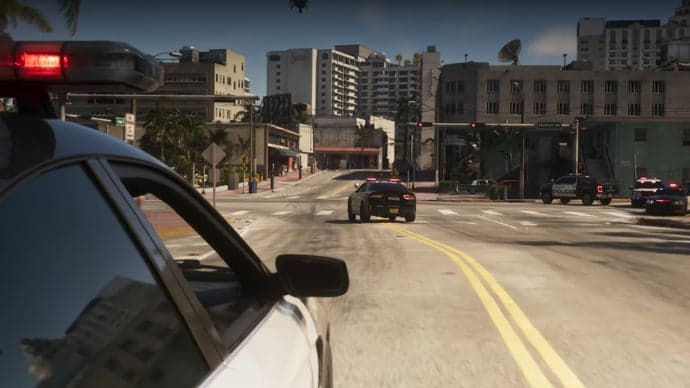
WSVN's reporting confirms Miami commissioners held an open floor debate on the merits of officially aligning the city with GTA VI's release cycle. The core tension: some commissioners see a once-in-a-generation tourism and hospitality windfall, while others are wary of the city's brand being tied to a game built around organized crime, cartel violence, and chaos in a thinly-veiled Miami analog.
This isn't happening in a vacuum. We already reported that Rockstar paid Miami $3M for marketing rights tied to location shoots and promotional placement around the metro area. That deal alone signals Take-Two is treating South Florida as a genuine co-marketing partner, not just a source of location scouting photos. Layer on top of that the ongoing friction we covered when Miami police pushed back on Vice City branding, and you get a city government that's clearly split between "this is free global advertising" and "this glamorizes exactly the reputation we spent thirty years trying to shed."
The commission debate reportedly touched on specifics: potential tourism board tie-ins, hospitality partnerships timed to launch week, and whether municipal assets (transit branding, event permits, downtown signage) should be made available for promotional use. Nothing was ratified. This was a public airing of positions, not a vote on a contract. But the fact it's on a commission agenda at all tells you Rockstar's marketing outreach has moved from "quietly paying for shoot locations" to "actively courting municipal government cooperation."
For context on scale, this is the same promotional machine that's been running billboard campaigns through Spotify's GTA 6 partnership across LA, NYC, and Miami simultaneously, and it lines up with the broader pattern of console sales spikes tied to GTA 6 marketing beats. Miami isn't a passive backdrop here. It's an active node in Take-Two's rollout strategy, and local government now has to decide how loudly to attach its name to it.
Tactical Analysis
Here's the angle nobody's talking about clearly enough: this commission debate is a preview of the exact tension that will define Leonida's cultural reception at launch. Vice City has always been Miami's shadow self, the version of the city that exists in the collective imagination once you strip away the tourism board polish. Rockstar's entire aesthetic strategy for GTA VI leans into that shadow self harder than any prior entry. Real Miami wants the money. Real Miami doesn't want the association written into official record.
From a tactical player standpoint, this matters more than it looks. Municipal cooperation (or lack of it) shapes how aggressively Rockstar can lean into real-world crossover events at launch. If Miami commissioners greenlight partnerships, expect physical launch activations: pop-up bars styled as in-game locations, branded transit wraps, possibly coordinated tourism campaigns that mirror the "visit Vice City" energy we've seen teased since the reveal trailer. If commissioners kill it, Rockstar pivots to what they've always done best: guerrilla marketing through billboards, radio teasers, and viral placement that doesn't require a signature on a city contract. Either path gets you a marketing blitz. One path just has better swag.
There's also a reputational hedge angle worth watching. Take-Two has poured resources into distancing the in-game world (Leonida, Vice City proper) from being a 1:1 legal stand-in for Miami, partly because of exactly this kind of commission scrutiny. Expect Rockstar's PR team to keep emphasizing "fictional state" language publicly while continuing private-sector deals (marketing rights payments, filming locations, promotional partnerships) that quietly acknowledge the opposite. That duality isn't hypocrisy, it's standard playbook. Grand Theft Auto has always profited from being close enough to real cities to feel authentic while staying legally and reputationally distant enough to dodge direct liability.
For the player community, the practical takeaway is this: watch Miami's local news cycle as a launch-timing signal. Cities don't typically hold public commission debates about corporate partnerships unless a deal timeline is forcing the conversation. If Miami's government is actively weighing formal partnerships now, that suggests Take-Two's internal marketing calendar is locking in launch-adjacent activations for a specific window, likely tied to whatever date eventually gets confirmed for the PC release math Rockstar still won't confirm. Local government contract negotiations don't move on vague timelines. Somebody at Take-Two gave Miami officials a date range to react to.
Keep an eye on how this plays out over the next several commission sessions. If Miami says yes, expect real-world tie-in events, tourism campaigns, and hospitality promotions layered directly into launch week hype, giving players physical, real-Miami reasons to treat release day like a cultural event rather than just a midnight download. If Miami says no, the marketing simply routes around city hall the way it always has, through billboards, radio, and the kind of viral placement campaigns Vice City Methods has been tracking since the Travis Scott billboard teasers first went up.