

The Breakdown
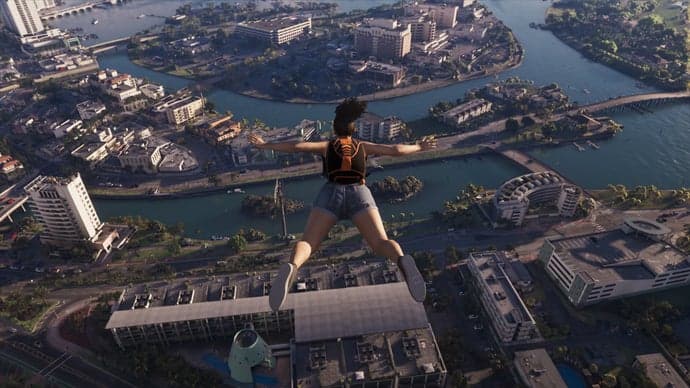
When The New York Times, a publication that rarely dedicates column inches to video game trailers, runs a feature on Grand Theft Auto VI's newest footage, that's a signal worth dissecting. The report centers on Rockstar Games' recent GTA 6 Netflix Extended Look, which dropped as a 26-minute deep dive rather than a standard 90-second teaser, a format choice the Times correctly identifies as unprecedented for the industry.
The article situates GTA 6 within a broader narrative about Take-Two Interactive's financial stakes, Rockstar's ballooning development budget (widely reported north of $1 billion), and the company's decision to treat this release less like a game drop and more like a theatrical event release. The Netflix premiere strategy, covered extensively in our own GTA 6 Netflix Premiere breakdown, gets specific mention as evidence that Rockstar is chasing cultural relevance on par with prestige television, not just competing with other open-world titles.
Key points echoed from mainstream coverage:
- Rockstar's marketing cadence has shifted from secrecy to controlled mega-reveals
- The scale of Leonida, spanning Vice City, Grassrivers, and the Keys, is being compared to real estate development rather than typical map design
- Dual protagonists Jason and Lucia are being framed in mainstream press as a narrative risk that could redefine crime fiction storytelling in games
- The delayed release window has done nothing to cool anticipation, arguably the opposite
None of this is new information to anyone who has tracked the GTA 6 leaks timeline since the CyberLeek incident, but the Times validating it for a general audience matters. It moves GTA 6 out of the "gamer niche" conversation and into mainstream cultural discourse, the same tier as prestige film releases and streaming tentpoles.
Tactical Analysis
Here's what the NYT piece actually tells us tactically, beyond the surface-level "big game, big news" framing.
First, budget scale directly correlates to systemic depth. When outside media reports on nine-figure and ten-figure development costs, that money isn't going into marketing alone. It's going into the RAGE 9 physics engine doing soft-body deformation calculations in real time, into robbery and heist mechanics that require dual-switching AI logic, and into a wanted system robust enough to deploy military response and Rhino tanks at six stars. Mainstream press treating this as a "big swing" confirms Rockstar isn't cutting corners on the backend systems that actually matter for player-driven economy and PVE depth.
Second, the Netflix-first reveal strategy is a controlled information funnel, and that has direct implications for how leak culture behaves going forward. Rockstar clearly learned from the 2022 Rockstar hack playbook that uncontrolled leaks damage narrative impact. By partnering with a platform like Netflix for the Extended Look premiere, Rockstar reasserts control over the reveal cadence, which means future marketing beats will likely follow the same pattern: exclusive streaming partner premiere first, then broad YouTube rollout, then think-pieces from outlets like the NYT that validate the hype cycle for non-gaming audiences.
For players actually planning their launch strategy, this matters in three concrete ways:
Release confidence. Mainstream financial press coverage typically ramps up in the final 12 to 18 months before a launch of this magnitude. If the Times is running features now, expect quarterly earnings calls from Take-Two to keep referencing GTA 6 as a stock driver, which historically correlates with firmer release windows rather than further delays.
Map scope planning. With outlets independently confirming the scale claims from the Leonida map size leak, players should start mentally mapping out region-specific strategies now. A map that rivals or exceeds RDR2 means faster-travel meta, vehicle acquisition priority, and property location will be even more critical to early-game economy snowballing than in GTA V.
PC and platform planning. Broader cultural coverage tends to accelerate platform diversification conversations. Our breakdown on why the gameplay demands a PC release becomes more relevant as mainstream outlets frame this as a "generation-defining" title, the kind of framing that historically pressures publishers toward day-one or near-day-one PC support to capture the widest possible install base.
The bigger picture: when a publication like the Times stops treating GTA 6 as a gaming curiosity and starts treating it as a business and cultural story, that's the tell that Rockstar's controlled reveal strategy is working exactly as designed. Expect the information funnel to tighten further as we approach launch, with fewer raw leaks and more sanctioned, high-production reveals distributed through premium media partners.