

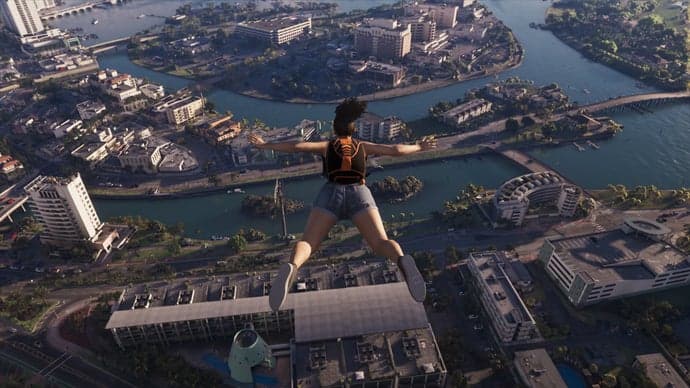
The Breakdown
Comparing GTA 6's architecture to 2013's GTA 5 highlights massive generational technological shifts:
- Living World Simulation: NPCs in Vice City possess individual routines, work schedules, memories of player actions, and social media interactions.
- Dynamic Weather & Physics: Hurricanes, tropical storms, ocean wave physics, and mud deformation dynamically impact vehicle handling and visibility.
- Lucia & Jason Synergy: Rather than switching between three separated characters, Lucia and Jason operate as a tactical duo capable of issuing direct commands, sharing vehicle trunk inventories, and covering flank angles during heists.
- Expanded State Scale: The state of Leonida is estimated to be over 2.5 times larger than Los Santos, featuring diverse biomes ranging from neon Vice City strips to swampy Grassrivers and the Keys.
Tactical Analysis
Understanding how GTA 6 differs from GTA 5 allows players to adapt their combat and exploration strategies before launch:
1. Adaptive Crime Mechanics
In GTA 5, stealing a car in a remote area often triggered instant police awareness. In GTA 6, crime detection relies on line-of-sight, security cameras, and witness reports, allowing players to pull off stealthy heists if cameras are disabled first.
2. Physical Weight and Gunplay
RAGE 9 physics give characters momentum and weight. Sudden direction changes during gunfights carry momentum delays, rewarding tactical positioning and cover usage over arcade-style sprinting.
3. Economy Realism
Properties, weapons, and car customizations feature realistic inflation-adjusted pricing. Laundering illegal heist cash through legitimate Vice City businesses is required before funds can be used for high-end real estate purchases.