

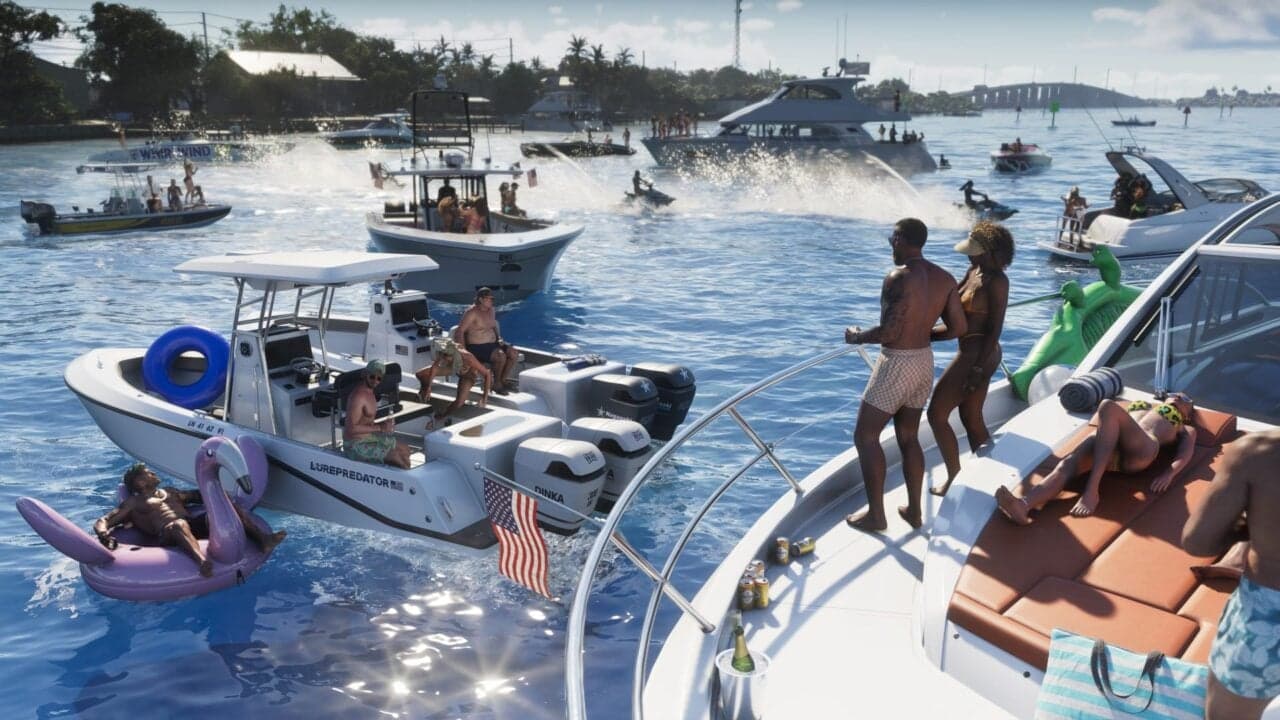
The Breakdown
The pattern is nothing new. Every console generation has a moment where a Rockstar flagship launch turns into a scheduling minefield for everyone else. GTA V did it in September 2013. Red Dead Redemption 2 cleared the fall 2018 calendar like a tidal wave. Now GTA 6 is doing it again, except this time the shockwave is hitting a full calendar year, not just a release month.
Industry scheduling chatter aggregated from publisher earnings calls, investor decks, and dev studio statements points to seven AAA and AA titles that have either confirmed or heavily hinted at avoiding Q4 2026 entirely:
- Large-scale action RPGs originally eyeing a fall window have slid into Q1/Q2 2026, banking on a clean run before Leonida opens.
- Open-world competitors with map sizes in the same conversation as GTA 6 are pushing hard into early 2026, trying to bank sales before Rockstar's marketing machine hits full throttle.
- Licensed superhero and franchise titles are repositioning into spring 2026, avoiding direct collision with a release date that already has cash-gated missions and a 12-feature feature set dominating headlines.
- Live service shooters are front-loading their biggest content drops for summer 2026, knowing full well their player base will evaporate the moment Vice City goes live.
- Mid-budget narrative titles are eyeing January through March, the traditional "no competition" dumping ground, now turned into prime real estate.
- At least one major JRPG has reportedly shifted its western release to avoid a fall collision, despite no overlap in genre audience, a sign of just how cautious publishers are being.
- A legacy franchise reboot has reportedly been quietly pushed to early 2027, with internal sources citing "market conditions" as the reason, corporate speak for "we are not fighting GTA 6 for shelf space."
None of this is officially confirmed by Rockstar. This is publishers reading the room and acting on it, the same way airlines reroute flights around a hurricane.
Tactical Analysis
Here's the part that matters for you, the player grinding toward November 19: this isn't just industry gossip, it's a direct signal of how dominant Rockstar expects GTA 6's launch to be, and it should shape how you plan your own 2026.
First, understand the economics behind the dodge. A AAA launch costs anywhere from $50 million to $300 million in marketing alone. No publisher wants to spend that budget competing for eyeballs, streamer coverage, and retail shelf space against a game that's already generating more organic hype than their entire campaign combined. When seven titles simultaneously decide to reschedule, that's not caution, that's capitulation. It confirms what we already suspected from the 12 new features breakdown: Rockstar built GTA 6 to be a cultural event, not just a release date.
Second, this scheduling exodus means your pre-launch window just got a lot quieter. If rivals are clearing Q4 2026, that means less competing marketing noise, fewer conflicting embargo drops, and a cleaner runway for Rockstar to control the news cycle entirely. Expect the marketing cadence to intensify through fall, likely syncing with real-world tie-ins like the Miami Heat Vice City collaboration and continued guerrilla efforts like the NYC mural campaign. When your competition evaporates, you flood the empty space. That's exactly what's about to happen.
Third, think about your own backlog strategy. If seven major titles are front-loading into Q1 and Q2 2026, that's your window to clear your plate. Burn through those releases in the first half of the year. By September, you want zero distractions, because once GTA 6 drops, the map's scale alone is going to eat months of your life, not weeks. Rockstar has already admitted the world is "too big for story mode" to fully cover, which tells you the endgame grind is going to be massive, especially once hurricane events and legendary animal hunts enter rotation.
Fourth, watch for opportunistic re-scheduling right before launch. Some of these "dodging" titles may actually try to sneak in a week or two before November 19 to catch pre-launch hype spillover, similar to how some titles tried riding GTA V's 2013 wave instead of avoiding it entirely. Don't be surprised if one or two of these seven flip strategy at the last minute and try to counter-program instead of retreat.
Finally, this is a strong signal for day-one infrastructure. When this many publishers are worried about server load, marketing bandwidth, and media cycle oxygen being consumed by one release, that tells you Rockstar is expecting record-breaking concurrent engagement. If you're planning your launch day, read up on the time zone trick to get ahead of the crowd, because server queues and marketplace bottlenecks are a real risk when the entire industry is bracing for the same impact at the same time.
The bottom line: when your competition changes its entire release calendar around your game, you're not launching a title anymore, you're launching an event. Plan your 2026 accordingly.